
Packing for Hot Climates When You Deal With Sweaty Hands, Feet, or Underarms
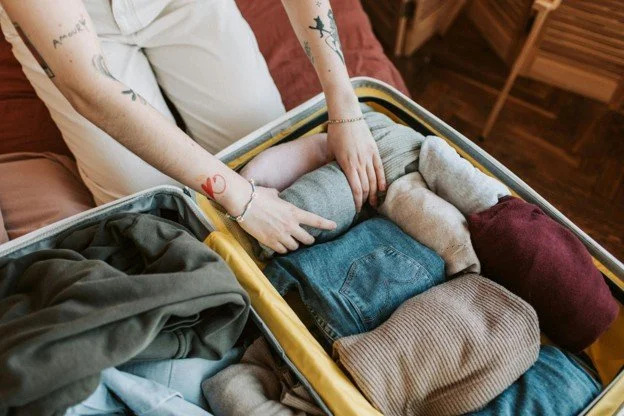
Hot-weather travel sounds fun until the sweat starts acting as if it paid for the trip, too. When we deal with sweaty hands, sweaty feet, or underarms that decide to go full panic mode the second the temperature hits “pleasant,” packing becomes less about fashion and more about survival. Not dramatic. Just true.
Some people pack for the beach. We pack like we’re preparing for battle against friction, humidity, and the deeply offensive idea of wearing damp clothes in public.
Here’s the good news: we do not need to pack our entire closet. We just need to stop packing like optimism is a strategy.
-
Let’s be honest. Throwing random summer clothes into a suitcase and hoping for the best is how we end up stuck in a hot bathroom hand-drying a shirt at 3 p.m.
Packing for hot climates works better when we’re ruthless about it. Every item should earn its place.
What we want is simple:
Less visible sweat
Less odor
Less mid-day misery
Less luggage full of useless “just in case” outfitsThat’s the whole game. Not glamorous. Very effective.
That’s the whole game. Not glamorous. Very effective.
-
Some fabrics should be banned from hot-weather travel. Thick cotton is one of them. It soaks up sweat, clings to the body, and then sits there like a wet apology. No thanks.
What actually works:
Bamboo and modal blends because they’re soft, breathable, and don’t feel like punishment
Performance polyester or nylon because they dry fast and don’t stay damp forever
Light merino wool because, yes, it sounds wrong for heat, but it actually works shockingly well
What usually does not work:
Thick cotton
Heavy, non-breathable synthetics
Anything stiff, tight, or weirdly lined
If it traps heat, it stays home.
-
A good base layer fixes a lot of stupid problems before they start. We’re not talking about anything bulky or tragic. We’re talking about lightweight layers that deal with sweat before it spreads, shows, or turns a perfectly normal outfit into a public situation.
Why they matter:
They pull moisture away from the skin
They help outer clothes stay dry longer
They cut down on that gross sticky feeling halfway through the day
This is the kind of boring, practical decision that saves trips. No one gets excited about base layers until they’re the only person not marinating in their own sweat on day two.
-
White shirts in hot climates are for people with either magical genetics or terrible judgment.
Dark colors are simply more forgiving. So are prints and textured fabrics. They don’t scream every time we perspire like a normal human under hostile weather conditions.
Best bets:
Black
Navy
Charcoal
Subtle patterns
Textured fabrics
Worst bets:
Light gray, which might as well be a sweat highlighter
Pastels
Thin, clingy fabrics in any color
This is not about “hiding.” It’s about not volunteering for embarrassment.
-
Because they are. Sweat is annoyingly creative. It doesn’t just show up in one place and stay polite.
For Sweaty Hands
Sweaty hands make everything irritating. Phones slip. Bags feel awkward. Tickets turn into pulp.
Pack:
A compact hand towel or microfiber cloth
Quick-dry wipes
Accessories with a decent grip
Nothing ruins a polished moment faster than feeling like we’ve just dipped our palms in soup.
For Sweaty Feet
Hot, damp feet are how a good day becomes a blistered nightmare.
Pack:
Moisture-wicking socks
Extra socks, because pretending one pair is enough is foolish
Breathable shoes
Foot powder or spray
xxx
Bad shoes in heat are a form of self-sabotage.
For Sweaty Underarms
This one needs the least explanation and the most planning.
Pack:
Travel-size antiperspirant
Extra base layers
Body wipes
A backup top if the day is long
Underarm sweat is manageable. But only if we stop acting surprised by it.
-
A tiny refresh kit is the difference between “I need a break” and “I need to go back to the hotel and rethink my life.”
Keep this in the day bag:
Body wipes
Blotting paper
Deodorant
A spare shirt or base layer
A resealable bag for used clothes
It’s not excessive. What’s excessive is pretending we’ll be out in 34-degree heat for ten hours and somehow remain fresh through sheer force of personality.
-
Yes, even in hot climates, we may need a layer. Planes are freezing. Malls are freezing. Random cafés are freezing. Modern air-conditioning seems designed by men who wear quarter-zips year-round.
The trick is not to bring anything heavy or stupid.
Better choices:
Lightweight overshirts
Breathable jackets
Thin layers we can take off easily
Wrong choices:
Thick hoodies
Heavy jackets
Anything that turns a warm day into a slow roast
A layer should help. It should not become another thing we carry angrily.
-
Not every hot climate is the same. Dry heat and sticky humidity are completely different enemies. One tries to bake us. The other tries to steam us like dumplings.
Before packing, ask:
Will we have laundry access?
Are we walking a lot?
Is it humid or just hot?
Will we be indoors much?
Then pack accordingly:
More quick-dry pieces so we can wash things on the go
Lighter fabrics for humid places
Better footwear if we’re walking a lot
This part matters. “I’ll just figure it out when I get there” is how people end up buying emergency flip-flops and regretting everything.
-
Item descriptionOverpacking is usually a panic response. We don’t need fifteen shirts. We need a few good ones that can survive heat, movement, and repeated wear without becoming disgusting.
A practical hot-climate packing setup:
2–3 strong shirts
2–3 moisture-managing base layers
3–4 pairs of sweat-wicking socks
1 breathable outer layer
Quick-dry underwear
A small refresh kit
That’s it. Efficient beats excessive every time.
-
Let’s not romanticize transit. Airports are queues, stress, heat, rushing, and bad coffee. Buses can be stuffy. Trains can be crowded. Taxis can have air-conditioning that exists only in theory.
A few things help:
Wear the most breathable outfit on travel day
Avoid carrying heavy backpacks directly on thin fabric
Sit where the airflow is better when possible
Take short cool-down breaks instead of powering through like a hero
Travel is tiring enough without feeling damp, sticky, and slightly furious.
-
If we can rinse something in a sink and have it dry by morning, it deserves respect.
Quick-dry clothing helps us:
Pack lighter
Rewear smarter
Recover faster after a sweaty day
Bring a little travel detergent, wash what needs washing, hang it in a well-ventilated area, and move on. It’s not glamorous, but neither is dragging a giant suitcase full of backup outfits we never needed.
-
Hot-weather packing gets easier once we stop pretending we’re the kind of traveler who can wear the same cute linen outfit all day and still look untouched by noon.
Some of us sweat. A lot. In unhelpful places. Fine. That just means we pack smarter.
So the real strategy is this:
Choose breathable fabricsWear layers that actually help
Bring backups where they matter
Stop packing fantasy versions of ourselves
That’s how we stay comfortable, look pulled together, and avoid spending the whole trip feeling annoyed by our own clothes. Which, frankly, is the minimum a holiday should deliver.